

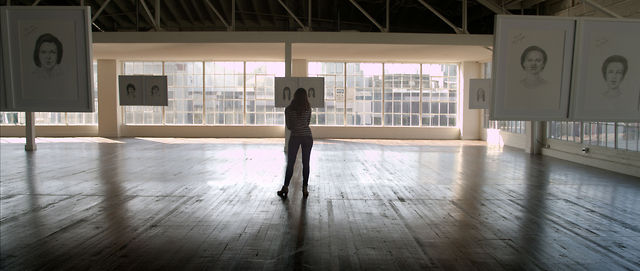
Step 1
Think for a moment and answer the following question: What makes a person beautiful?
Step 2
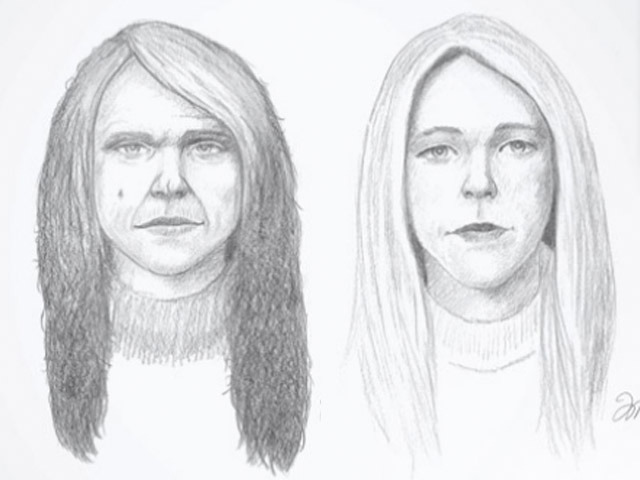
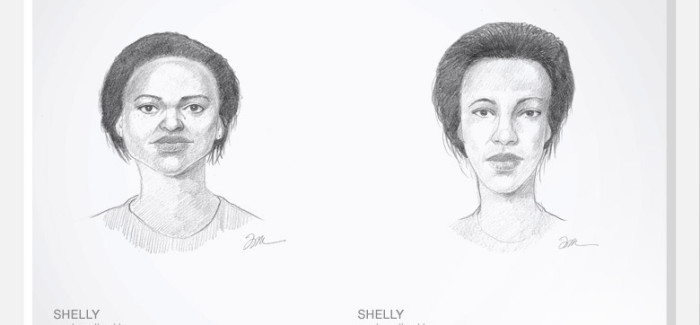
Have a look at the two portraits below. Write about which one is more beautiful and what makes it more beautiful. Compare hair, eyes, skin and expression.
Portrait A:
Portrait B:
Step 3
The portraits were drawn by the same artist. Why do you think the two portraits are so different?
Step 4
Now you will watch a short film in which the story of how the portraits came to be drawn is told. https://player.vimeo.com/video/64077961
Step 5
Answer the following questions:
- How does the film make you feel?
- How do the women in the film feel when they see their portraits?
- What’s the message of the film?
Step 6
Pause at the end of the film when you see the caption:
- “You are more beautiful than you think”.
- This is the publicity slogan of Dove the product which commissioned the short film.
- Do you agree with the slogan and why do you think it was chosen?
Step 7
The short film went viral and has been viewed by millions of people online. However, there has also been a lot of criticism of the short film. Read the article with the five main criticisms.
1. It features too many traditionally attractive white women. Jazz Brice on Tumblr: “When it comes to the diversity of the main participants: all four are Caucasian, three are blonde with blue eyes, all are thin, and all are young (the oldest appears to be 40). The majority of the non-featured participants are thin, young white women as well. … Out of 6:36 minutes of footage, people of color are onscreen for less than 10 seconds.”
2. It seems to define beauty as being thin and young. Kate Fridkis on PsychologyToday.com: “Looking at the two portraits of herself, one woman described the one meant to be prettier as looking ‘much younger,’ which seemed to be true of all of them. The more ‘beautiful’ facial representations seemed to all be thinner and younger-looking.”
3. It positions beauty as the yardstick by which women measure themselves. Stacy Bias: “Is the pinnacle of success always beauty? Believing that others see us as beautiful? Believing that we are beautiful? I want people to question their negative self-perceptions, sure. But I would love for that to happen in a context where beauty doesn’t always end up valorized.”
4. It shows women as their own enemies rather than victims of a sexist society. Erin Keane: “All of that body image baggage is internalized by growing up in a society that enforces rigid beauty standards, and since the target demographic for this ad is clearly women over 35 with access to library cards, it is baffling that Dove can continue to garner raves for its pandering, soft-focus fake empowerment ads.”
5. It is hypocritical because it comes from Unilever, which also makes Axe, Slim-Fast and more. Charlotte Hannah on Twirlit.com: “[Dove’s] long-running Real Beauty campaign has shed light on some important truths about the media’s unrealistic portrayals of women, but given the fact that Dove is owned by Unilever, which also owns Axe and the company that produces Fair & Lovely skin lightening cream, the campaign comes across as hypocritical and patronizing—a way for the company to pander to women for sales while practicing the very evil it preaches against.”
Step 8
Now imagine a situation in which men were the protagonists of the film.
Do you think the drawings would be very different?
Step 9
The film has also been with men as the protagonists.Watch the film and write in what ways the two films and the drawing are different. https://www.youtube.com/embed/T8Jiwo3u6Vo
Final assignment
Imagine that you have to describe your face in great detail to a forensic artist.Write down the description.